Choosing the Right HVAC Company: Key Factors for Optimal Home Comfort
Selecting the ideal HVAC company is crucial for preserving home comfort levels. Multiple factors affect this selection, from the available services to the importance of certifications and experience. User feedback provide valuable perspectives, while energy performance ratings can generate ongoing cost savings. Grasping pricing and warranty options is just as important. As homeowners evaluate these factors, they may wonder which aspects carry the most weight in selecting the right option.
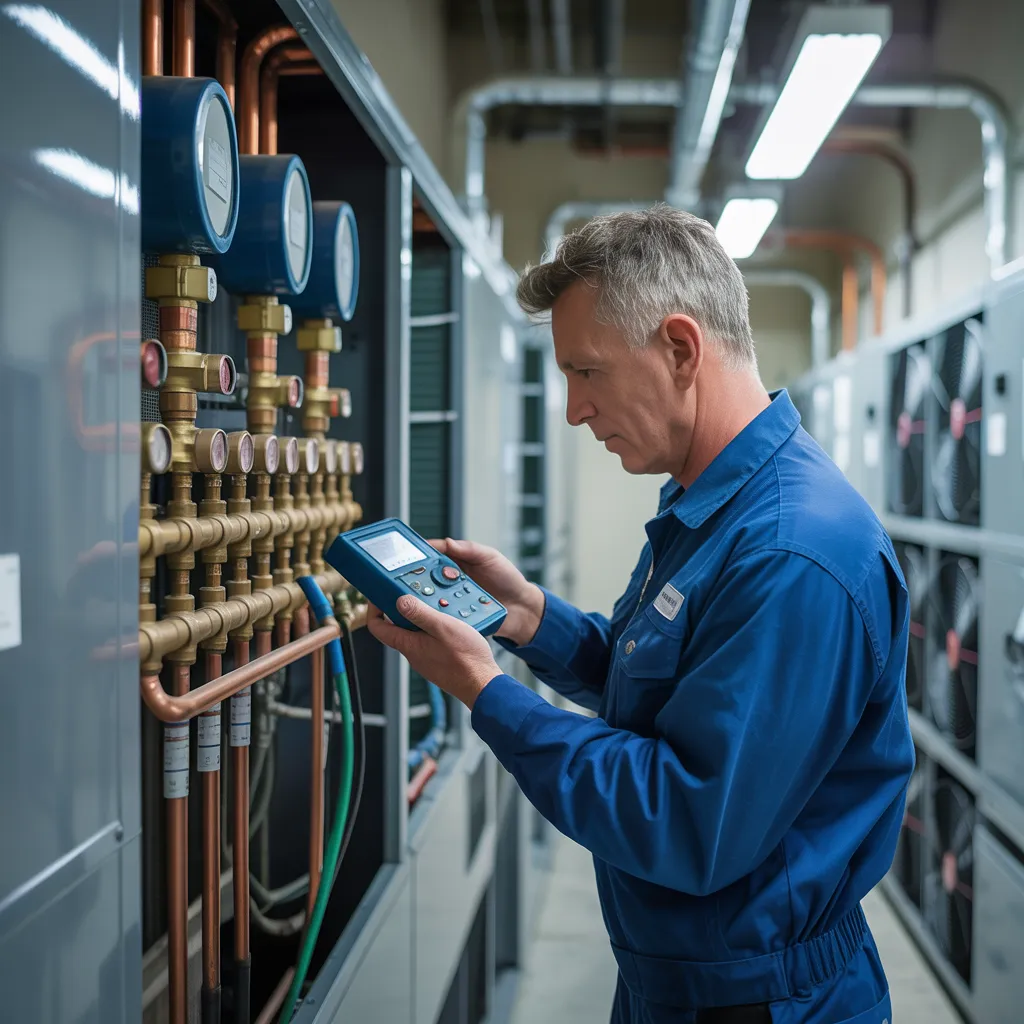
What Services Should Your HVAC Company Offer?
When selecting an HVAC provider, understanding the variety of services available is essential. A reliable HVAC company should handle installation, maintenance, and repair for heating, ventilation, and air conditioning systems. Setup services must cover both commercial and residential options, making sure systems meet specific requirements. Consistent upkeep is critical for boosting system efficiency and longevity, so companies should offer regular inspections and cleaning services.
In addition, repair solutions ought to be timely and efficient, handling concerns with different system parts, including thermostats, ductwork, and filters. Several firms may also present complementary services like air quality analyses, that can assist in enhancing the general atmosphere of a residence or commercial space. Ultimately, emergency assistance is an indispensable offering, confirming that clients are provided with swift aid during significant system failures. Reviewing these options allows homeowners to make educated decisions regarding their HVAC systems.
Why You Should Consider Experience and Certifications When Picking an HVAC Company
Picking an HVAC company is not only about the work they deliver but also about the knowledge behind those offerings. Expertise plays an essential role in ensuring that professionals can correctly diagnose issues and execute effective solutions. A established HVAC provider is positioned to have addressed a range of setups and challenges, allowing them to adapt efficiently to unique situations.
Certifications hold equal significance, as they indicate that the service provider adheres to established industry standards and guidelines. Certified technicians have undergone thorough training, ensuring their expertise in the newest technological advancements and safety procedures. This lowers the possibility of costly mistakes that can result in expensive repairs or dangerous situations.
At the end of the day, a balance of practical experience and industry certifications signifies a commitment to quality and professionalism. Homeowners can have greater peace of mind knowing they are entrusting their HVAC needs to a company that values expertise and dependability.
Why Customer Reviews Matter When Selecting an HVAC Company
Customer ratings serve a crucial function in assessing the reputation of HVAC service providers. Through reviewing digital reviews, prospective clients can assess the level of service and trustworthiness provided by different providers. Understanding these reviews allows consumers make informed decisions when hiring an HVAC company.
Reviewing Online Reputation
What methods can a prospective homeowner use to evaluate the trustworthiness of an HVAC company in the modern digital era? An efficient strategy is to examine the company's online presence through user-generated reviews. Online platforms including Google, Yelp, and Facebook deliver useful perspectives on former client encounters, emphasizing service standards, turnaround times, and overall customer contentment. A predominance of positive reviews can indicate a trustworthy company, whereas frequent complaints may signal potential issues. It is furthermore helpful to consider how the company responds to unfavorable comments, as a well-crafted reply can showcase a commitment to professionalism and quality service. Through consolidating this information, homeowners can reach educated conclusions, ensuring they partner with an HVAC company that matches their criteria for excellence and trustworthiness.
Comprehending the Importance of Ratings
In the digital landscape, ratings play a significant role in shaping perceptions of HVAC companies. User ratings deliver key details regarding service quality, reliability, and overall satisfaction. Future clients commonly turn to these evaluations to assess a business's standing before committing to a choice. Strong reviews generally reflect a track record of quality work and timely responses, while poor reviews could point to underlying problems. Moreover, recurring themes in ratings can uncover specific strengths or weaknesses, such as proficiency with specific equipment or ability to handle urgent situations. In the end, recognizing the value of reviews empowers homeowners to make informed choices, ensuring they select an HVAC company that aligns with their needs and expectations. Such thorough assessment can result in greater satisfaction and confidence.
A Guide to Energy Efficiency Ratings for HVAC Systems
What elements influence the energy performance of heating and cooling systems? Energy efficiency ratings, such as SEER (Seasonal Energy Efficiency Ratio) for cooling systems and the Annual Fuel Utilization Efficiency (AFUE) for heat systems, deliver valuable guidance. These metrics assess how effectively a unit utilizes energy into heating or cooling compared to the energy it consumes. The greater the rating view information about indicates a more efficient unit, contributing to reduced energy expenses and a lesser impact on the environment.
Furthermore, the system's design, installation quality, and maintenance practices greatly influence the system's overall performance. Properly sized units that match a home's specific needs will operate more efficiently than systems that are either too large or too small. Moreover, advancements in technology, such as variable speed compressors and smart thermostats contribute to greater energy savings. When assessing HVAC systems, homeowners should take these factors into account, as opting for a unit that carries a high energy efficiency rating supports lasting comfort and environmental sustainability.
Evaluating HVAC Pricing for Best Value?
When evaluating HVAC costs, homeowners often wonder which factors play a role in obtaining the most value. Important factors include the starting price of the unit, setup charges, and long-term running costs. Residents should review estimates from multiple contractors, ensuring that all bids are comprehensive and include similar services.
Another important consideration is the efficiency score of the system, as greater efficiency typically results in reduced energy costs. Furthermore, warranty protection and maintenance packages can have a major influence on overall worth. Evaluating the standing of the HVAC company is critical, as experienced technicians typically provide better service, which can minimize upcoming maintenance and repair costs.
Ultimately, the best value is not solely defined by the lowest price but by a balance of quality, efficiency, and reliable service. Homeowners are encouraged to thoroughly evaluate all aspects of HVAC pricing to make informed decisions that enhance their home comfort and investment.
Vital Questions to Ask Your HVAC Contractor?
What steps can homeowners take to ensure they select the right HVAC contractor? A practical method is to pose important questions that uncover the contractor's credentials and dependability. To begin, homeowners ought to ask about licensing and insurance, ensuring the contractor complies with local requirements and is able to handle any liabilities. Next, asking about experience with specific systems or brands helps determine whether the contractor is well-suited for the job.
Homeowners ought to also ask for references from past clients to gauge satisfaction and service quality. Furthermore, inquiring about warranties and service contracts can help clarify expectations following installation or repair. In addition, talking through financing options and estimated project timelines can encourage transparency and minimize unexpected setbacks. By addressing these critical aspects, homeowners can make informed decisions, leading to ideal comfort in their homes.
Common Questions and Answers
How Long Should an HVAC System Typically Last?
A heating and cooling system typically lasts 15 to 25 years on average, subject to the quality of maintenance, usage patterns, and installation. Routine maintenance helps maximize its longevity, while insufficient upkeep may lead to early system breakdown and higher replacement expenses.
What Warranties Am I Entitled to Expect From HVAC Services?
Clients should look for warranties covering parts and labor, typically extending from one to ten years, depending on the HVAC system. Longer warranty plans may also be accessible, delivering further peace of mind and protection against future repairs.
Do HVAC Systems Help Improve Indoor Air Quality?
HVAC systems are highly effective at improving indoor air quality by filtering pollutants, managing moisture levels, and maintaining adequate ventilation. Consistent upkeep boosts their efficiency, promoting healthier indoor environments and minimizing allergens and irritants in the air.
What Kind of Maintenance Is Needed for HVAC Systems?
Routine upkeep for heating and cooling systems encompasses swapping out filters, clearing air ducts, evaluating refrigerant levels, examining electrical connections, and booking professional maintenance visits. These practices boost efficiency, prolong lifespan, and preserve superior indoor air quality throughout the year.
How Can I Tell if My HVAC System Needs Replacement?
Symptoms that an HVAC system calls for replacement include repeated repairs, increasing energy bills, inconsistent temperatures, odd sounds, and having more than 15 years of use. Evaluating these factors can aid in identifying if a replacement is warranted.